


 By neha - July 09, 2026
Qatar's top diplomat picked up the phone again this week. This time, the call went to the one country sitting closest to the crisis itself.
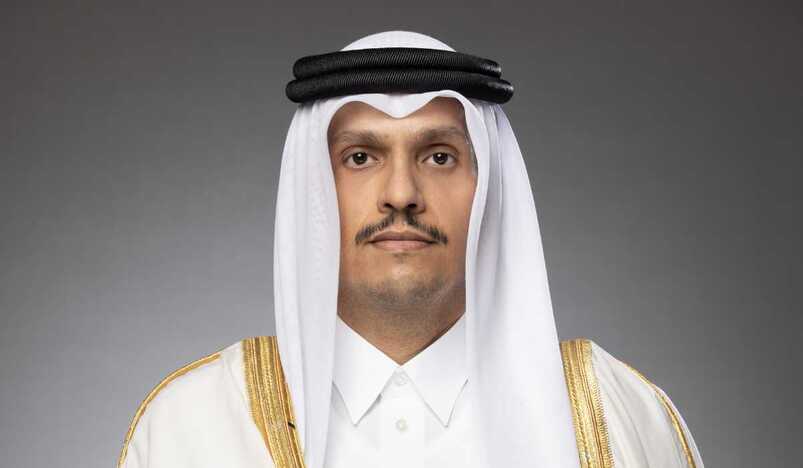
HE Sheikh Mohammed bin Abdulrahman bin Jassim Al Thani, Qatar's Prime Minister and Foreign Minister, spoke with Oman's Foreign Minister Sayyid Badr bin Hamad bin Hamood Albusaidi on July 9.
Oman's Position Makes This Call Different
Oman shares the narrow waterway at the heart of this crisis directly with Iran. That geography puts Muscat in a position no other Gulf capital occupies.
Oman has already taken direct action to manage the situation on the ground. It coordinated with the International Maritime Organization to open a temporary shipping corridor. This corridor gives vessels a safer route through the strait during the current tensions.
Oman has also held direct talks with Iranian officials on this exact issue. Its foreign minister met Iran's parliament speaker and foreign minister in Muscat last month. Those talks focused specifically on new arrangements for managing the strait long term.
What Qatar And Oman Discussed
Both officials reviewed the past two days of escalation between the United States and Iran. This follows a now familiar pattern of Gulf states comparing notes closely.
Qatar's Prime Minister condemned the recent attacks on commercial vessels transiting the strait. He warned these actions damage trust built through months of careful de-escalation work. He also stressed the attacks threaten international navigation across the wider region.
Both sides stressed the need for every party to return to dialogue immediately. They called for full implementation of the existing memorandum of understanding. This agreement aims to protect the security gains achieved earlier this year.
Why Oman's Approach Matters For The Region
Analysts have described Oman's shipping corridor as a major shift in crisis management. It reduces Iran's ability to use the strait as a point of leverage.
This matters because Iran has floated fee schemes tied to strait passage before. A safer alternative route weakens the pressure any single country can apply here. Oman's neutral reputation also makes it a natural go between for opposing sides.
Regional commentators have urged fellow Gulf states to back Oman's initiative publicly. The argument centers on treating the strait as shared international waters. No single nation should control access or dictate terms for passage through it.
A Pattern Across Multiple Gulf Capitals
This exchange fits into a broader wave of diplomatic activity this week. Qatar has held similar calls with Iran and Saudi Arabia over the same crisis.
Oman itself has stayed in constant contact with Tehran throughout this standoff. It has also coordinated with the UK and France on protecting its territorial waters. Together, these efforts show a region working multiple channels at once.
What Comes Next
Both Qatar and Oman reaffirmed support for a comprehensive agreement addressing the crisis. Neither call ends the standoff alone, but each adds pressure toward calm.
Oman's safe passage corridor will likely remain central to any near term solution. Expect continued coordination between Doha and Muscat as this situation keeps developing. Oman's frontline position means its next moves may matter more than most.

_20-08-2026_05-08.jpg)
_27-51-2026_11-51.png)
_27-43-2026_12-43.png)



.jpg)
.jpg)




.jpg)


.jpg)
.png)
.jpg)













Leave a comment